

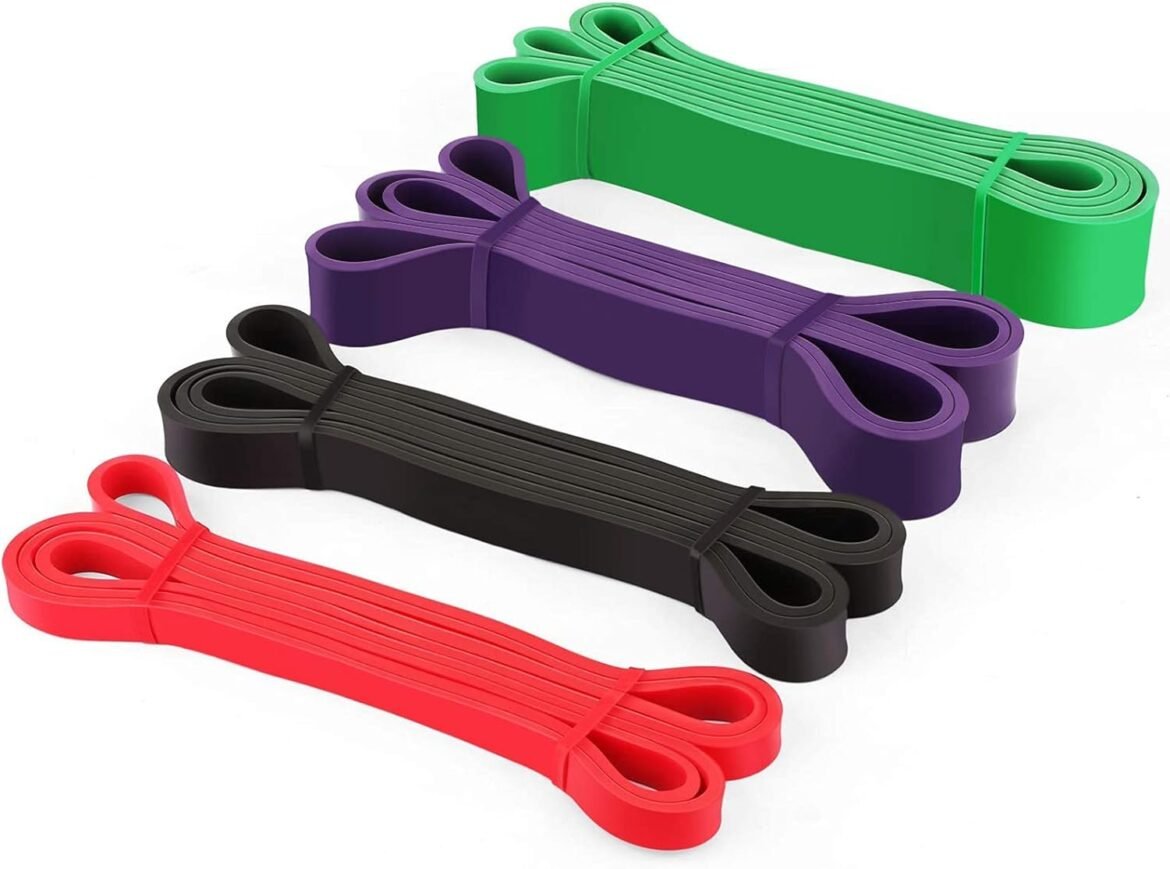
Pull-ups are one of the most effective upper-body exercises, yet they can feel intimidating for beginners. Many people struggle to perform even a single repetition at first. This is where pull-up resistance bands become a powerful training tool. By reducing the amount of body weight you need to lift, assist bands allow beginners to build strength, confidence, and proper technique while working toward unassisted pull-ups.
Why Assist Bands Are Ideal for Beginners
For beginners, jumping straight into strict pull-ups can lead to frustration or poor form. Pull-up resistance bands offer adjustable support, making the movement more accessible while still challenging. Thicker bands provide more assistance, while lighter bands increase difficulty as strength improves. This gradual progression helps beginners train consistently without overloading their muscles or joints.
Using bands also helps reinforce correct movement patterns. Instead of relying on momentum or partial reps, beginners can focus on controlled motion, full range of movement, and proper engagement of the back, arms, and core. Over time, this approach builds a solid foundation for long-term progress.
Setting Your First Pull-Up Goals
A realistic initial goal is not performing a full unassisted pull-up but mastering assisted repetitions. Beginners should aim for 3–5 clean reps using strong pull up resist bands. The focus should be on quality rather than quantity. Slow, controlled reps with proper form will deliver far better results than rushed movements.
Once consistency is achieved, the next goal is increasing volume. Aim for 3–4 sets of assisted pull-ups, maintaining good technique throughout. As your strength improves, you can gradually reduce band assistance. This step-by-step process prevents plateaus and keeps motivation high.
Tracking Progress with Assist Bands
Progress doesn’t always mean more reps. With pull-up resistance bands, improvement can also be measured by using thinner bands or increasing time under tension. For example, adding slow negatives or pausing at the top of each rep can significantly increase strength gains.
Another effective milestone is transitioning from heavy assistance to moderate assistance. Even small reductions in band thickness signal meaningful progress. Tracking these changes helps beginners stay encouraged and recognize improvement, even before achieving a full bodyweight pull-up.
Avoiding Common Beginner Mistakes
One common mistake is relying too heavily on the bands. While pull up resist bands are helpful, beginners should avoid bouncing out of the bottom of the movement. Controlled motion ensures muscles—not momentum—are doing the work.
Another issue is setting unrealistic timelines. Pull-ups require patience and consistency. Beginners should expect steady progress over weeks or months, not days. Pairing assisted pull-ups with complementary exercises like rows and lat pulldowns can further accelerate results.
Long-Term Pull-Up Success
The ultimate goal of using pull-up resistance bands is independence. As strength builds, beginners will eventually rely less on assistance and more on their own power. With consistent training, realistic goal-setting, and smart progression, achieving an unassisted pull-up becomes not only possible but inevitable.
By embracing assist bands as a supportive training tool rather than a shortcut, beginners can develop lasting strength, confidence, and proper technique for long-term success.


